Eating the right foods before and during your workout can give you more energy, help you exercise longer, and keep your body strong. Healthy carbs, light snacks and natural energy boosters can make your fitness routine more effective. Choosing the right foods before and after exercise keeps your energy steady, protects your muscles, and speeds up recovery. Here are nine simple food tips to get more from every workout.
Food is your workout fuel. If you eat too little, you tire early; if you choose the wrong foods, you may feel heavy or uncomfortable. The tips below explain what to eat (and avoid) before, during, and after exercise so you get steady energy, protect your muscles, and recover faster without overdoing calories.
1. Don’t Work Out On An Empty Tank
Going to the gym without eating can leave you low on energy and may reduce how many calories you burn. Have some healthy carbs at least an hour before you start.
Good choices include whole-grain cereal with low-fat milk and fruit, or whole wheat toast or a bagel. Skip heavy cream cheese or butter, which add a lot of saturated fat.
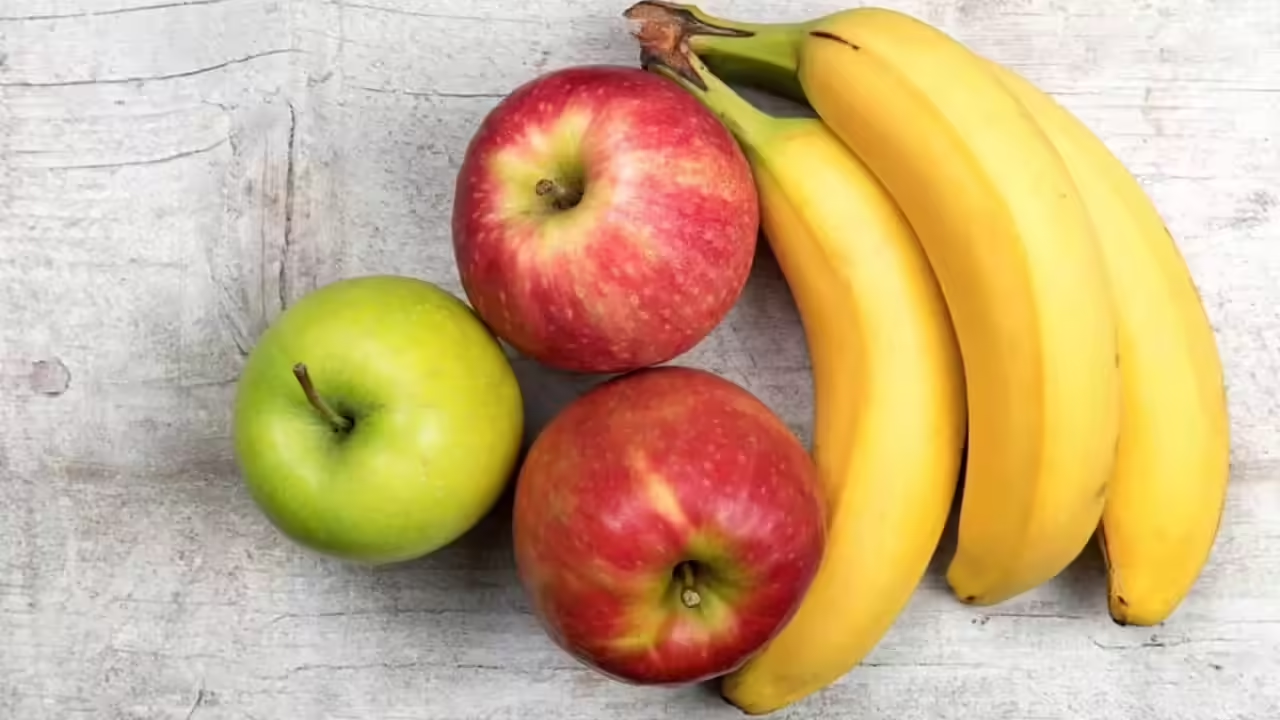
2. Only 10 Minutes? Grab Fruit
If you’re rushing, a quick apple or banana 5–10 minutes before exercise still helps. These simple carbs are easy to digest and give fast energy your body can use right away.
Fruit also adds vitamins, minerals, and natural plant compounds that support overall health while you train.
3. Use Sports Bars Carefully
For workouts later in the day, a small snack about an hour before can help. A sports bar with 200 calories or less can be fine if you choose wisely.
Look for low-fiber bars (about 3 grams or less) to avoid stomach trouble, and limit sugar alcohols like sorbitol, xylitol, isomalt, and mannitol, which can cause cramps or diarrhea in some people.
4. Choose Lean Animal Protein
Regular exercise increases your protein needs because your body uses protein to repair muscles and make blood cells. For main meals, prefer lean options like grilled chicken or turkey instead of fried meats or cheeseburgers.
Leaner cuts give you high-quality protein with less saturated fat, which supports both muscle health and heart health.
5. Don’t Ignore Plant Protein
You can get plenty of protein from plant foods too. Beans (pinto, kidney, white, black), split peas, and chickpeas all provide protein plus useful fiber and minerals.
Soy products like tofu and tempeh and nuts also offer protein and healthy fats, making them good choices whether you’re fully vegetarian or just adding more plant meals.
6. Go For Whole Fruit, Not Juice
After a workout, reach for whole fruits instead of juice. Juicing removes much of the fiber that helps your digestion and keeps you full.
Berries are especially helpful; blueberries and cherries may reduce muscle soreness after hard exercise, and other berries likely offer similar benefits.
7. Don’t Eat Back All Your Calories
It’s easy to overestimate how much you burned. A strong hour on the bike might use about 590 calories, but a relaxed ride may burn only around 290.
Instead of rewarding yourself with cookies, choose fruits and vegetables and pair them with protein—like veggies with hummus or fruit with Greek yogurt—to feel full and support muscle recovery.
8. Pair Carbs And Protein After Training
The ideal post-workout snack combines carbohydrates with protein. A simple option is a sandwich with two slices of bread and peanut or almond butter.
You can also try two or three cooked eggs with half a bagel, which gives your body both energy and the building blocks it needs to repair muscle tissue.
9. Don’t Forget To Hydrate
Fluids are essential when you exercise. For most sessions under 60 minutes, sipping water regularly is enough to replace what you sweat out. If your workout is intense and goes beyond an hour, a sports drink may help replace fluids and electrolytes, but check the sugar and calories if you’re watching your weight.


